
Solder Paste
Solder Paste: Classification, Storage, Printing & Reflow
Solder paste is a thixotropic mixture of solder alloy powder and flux/vehicle, used for SMT stencil printing and reflow soldering. STAR.I paste is available in lead-free and leaded systems, classified by melting point, cleaning method and activator type. Store at 5–10°C, warm to room temperature for 4–6 hours and mix for 1–3 minutes before use.
Key facts
- Alloy systems
- Lead-free / leaded
- Storage
- 5–10°C refrigerated
- Warm-up
- 4–6 hours at room temperature, sealed
- Printing environment
- 18–24°C, 40–50% RH
- Reflow peak
- 210–225°C (typical Sn-Pb)
What is solder paste and how is it classified?
Solder paste is a homogeneous, paste-like mixture of solder alloy powder and a flux/vehicle system. During reflow, the alloy melts and, with the flux removing surface oxides, wets the component leads and PCB pads to form mechanical and electrical connections.
Solder paste is thixotropic: viscosity drops under shear for printing and recovers afterwards, holding components in place until reflow.
| Classification | Types |
|---|---|
| Alloy | Leaded, lead-free |
| Melting point | Low-temperature, high-temperature |
| Cleaning method | Rosin, water-soluble, no-clean |
| Activator type | Pure rosin, moderately activated rosin, highly activated rosin, organic-based |
| Application method | Stencil printing, screen printing, dispensing |
How should solder paste be stored and warmed up?
Store solder paste sealed at 5–10°C. Do not freeze it. Cold storage slows flux reaction and solvent loss, helping to maintain viscosity and activity.
Before use, warm the paste at room temperature for 4–6 hours without opening the container, so moisture does not condense on the paste. Then mix in one direction for 1–3 minutes with a dedicated mixer until homogeneous.
Reseal unused paste and keep it at room temperature. Do not return warmed paste to the refrigerator or repeatedly freeze and thaw it.
Warm-up time depends on package size and ambient temperature. Confirm the time for your actual package and shop-floor conditions before mass production.
Key solder paste printing parameters
Printing is sensitive to temperature, humidity and viscosity. Maintain 18–24°C and 40–50% RH at the printer, and avoid direct airflow that can dry the paste locally.
- Stencil printing viscosity: approximately 450,000–700,000 CPS; screen printing: approximately 750,000–1,300,000 CPS.
- Recommended stencil aperture width-to-thickness ratio (W/T): at least 1.5; area ratio: greater than 0.66.
- Stencil materials include metal, stainless steel or brass; squeegees can be 90-durometer rubber or polyurethane.
- Printing speed: 20–65 mm/s; squeegee contact angle: about 45–65°; squeegee pressure: about 10–20 lbs.
- Print evenly and balance the squeegee stroke; adjust parameters based on stencil tension and print results.
These are general process ranges. Validate them against your stencil design, panel layout, component density and paste model.
How to set the reflow profile
Even for the same paste, the temperature-time profile varies with board thickness, assembly density and oven characteristics. The table below is a typical Sn-Pb profile; lead-free paste requires a correspondingly higher peak.
| Stage | Temperature / rate | Time | Purpose |
|---|---|---|---|
| Ramp | 1–3°C/s | — | Heat from room temperature to preheat |
| Preheat / soak | 145–160°C | 60–150 s | Activate flux and reduce thermal shock |
| Reflow | Peak 210–225°C | About 30–90 s above 183°C | Melt alloy and wet the pads |
| Cooling | 1–3°C/s | — | Form a fine joint microstructure |
Reflow notes for lead-free paste
Lead-free paste (typical melting point 217–221°C) requires a higher reflow peak. Nitrogen atmosphere is recommended to reduce oxidation. Set the peak and time above liquidus according to the alloy, PCB thickness, component temperature limits and paste datasheet.
For thicker boards and dense assemblies, reduce the ramp rate and extend preheat to improve temperature uniformity.
Do not simply reuse an Sn-Pb profile. The lead-free window is narrower; measure the profile with a profiler and keep records.
How to troubleshoot solder paste defects
Solder balls, bridging, tombstoning, insufficient solder, voids and dull joints are usually traced to paste condition, stencil and printing parameters, placement accuracy, reflow profile and material oxidation. See our technical article “Solder Paste Printing & Reflow Defects: Causes and Solutions” for a detailed troubleshooting table.
Typical applications
- SMT stencil printing
- Reflow soldering
- BGA and CSP assembly
- Precision electronics
- LED and optoelectronic devices
- Pilot runs and rework
FAQ
Why does solder paste need refrigeration?
Flux and solvent in the paste react or evaporate slowly at room temperature, changing viscosity and reducing activity. Storage at 5–10°C slows these changes. Do not freeze the paste.
How long should solder paste warm up?
Typically 4–6 hours at room temperature with the container sealed. Warm-up time depends on package size and ambient temperature; confirm it for your package before mass production.
What printing environment is required?
Maintain 18–24°C and 40–50% RH, and avoid direct airflow. High or low temperature and humidity affect viscosity, print thickness and release.
What is the reflow peak for lead-free paste?
Lead-free paste typically melts at 217–221°C, so the peak must be higher than the melting point. Set it according to the alloy, PCB thickness, component limits and paste datasheet; nitrogen is recommended.
What should I do with unused paste?
Reseal it and store it at room temperature. Do not return it to the refrigerator or mix contaminated paste with fresh paste.
Related products
Explore compatible materials
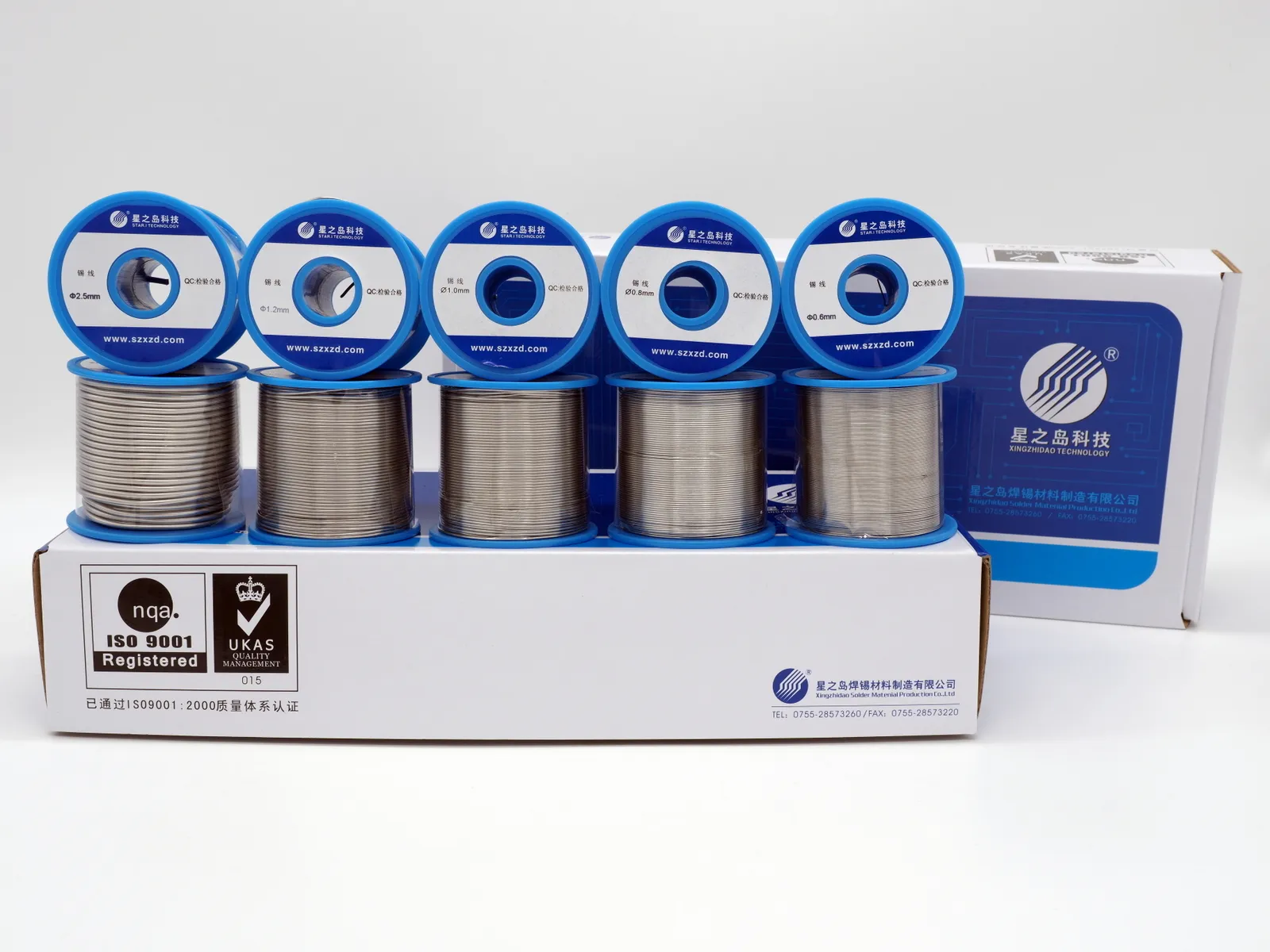
Solder Wire
STAR.I solder wire covers Sn-Cu, Sn-Ag, Sn-Cu-Ni-Ce and Sn-Ag-Cu alloys, single or three-core, rosin, no-clean or water-soluble flux, 0.3–1.2 mm.
Learn more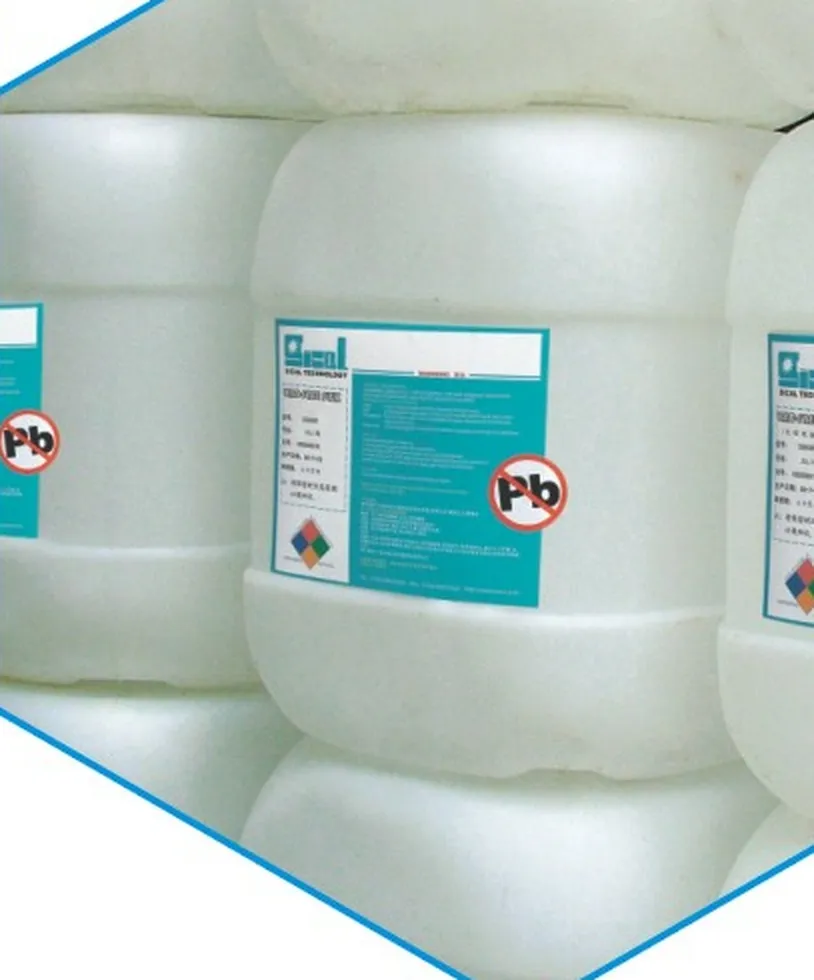
Electronic Chemicals
SICAL, a STAR.I brand, supplies lead-free flux, low-residue flux, cleaners, thinners, SMT adhesive and solder paste for SMT and wave soldering.
Learn more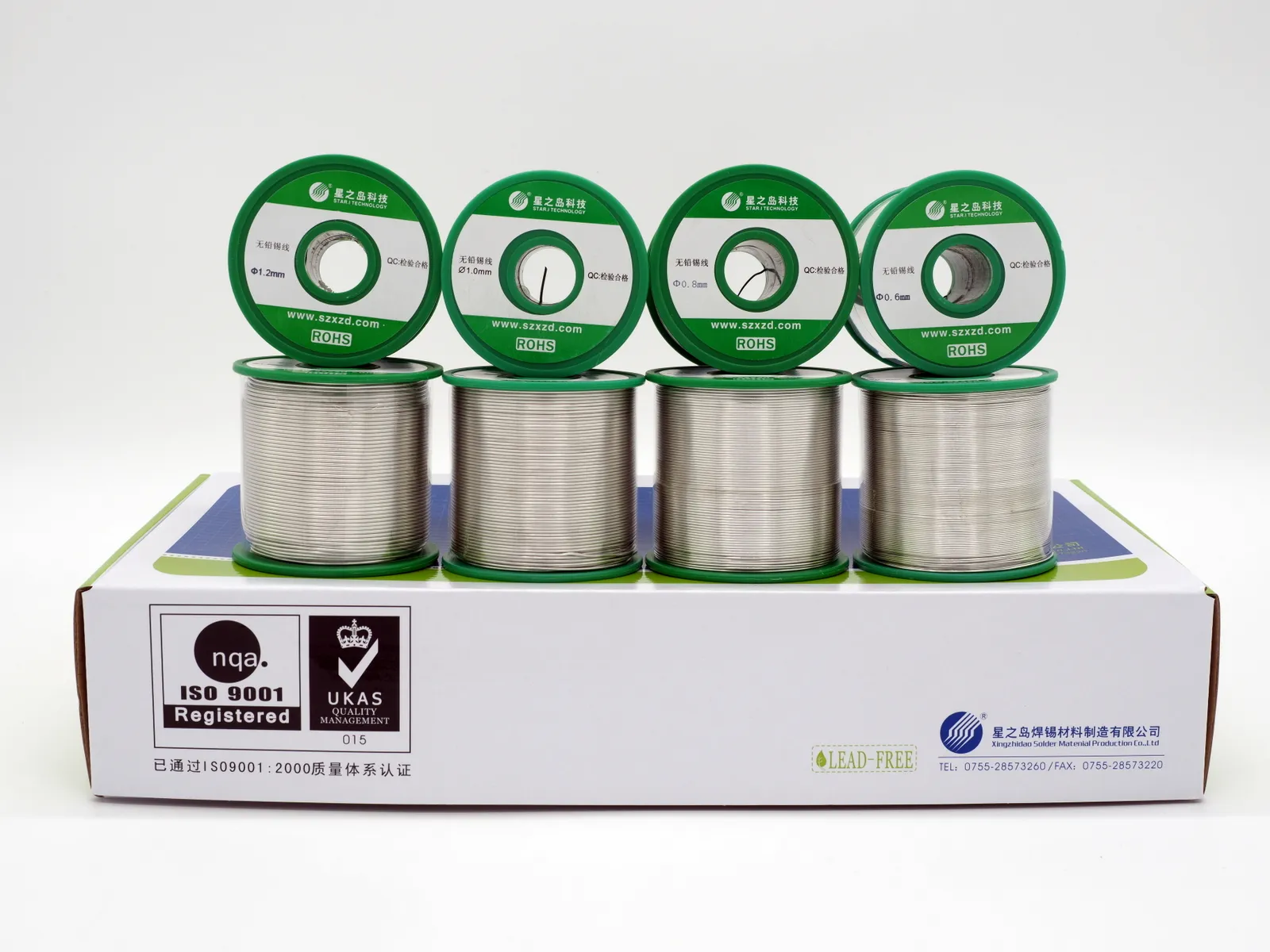
Lead-Free Solder
STAR.I supplies lead-free solder bars, wire and paste in Sn-Ag-Cu, Sn-Cu and Sn-Cu-Ni-Ce alloys. Lead is controlled below 1000 ppm, with SGS testing.
Learn moreNeed help selecting materials for your process?
Tell us your soldering method, alloy, product form and capacity. STAR.I’s technical team will help narrow the selection and provide samples and technical data.